What to expect

11:00-11:20AM
Educational Panel

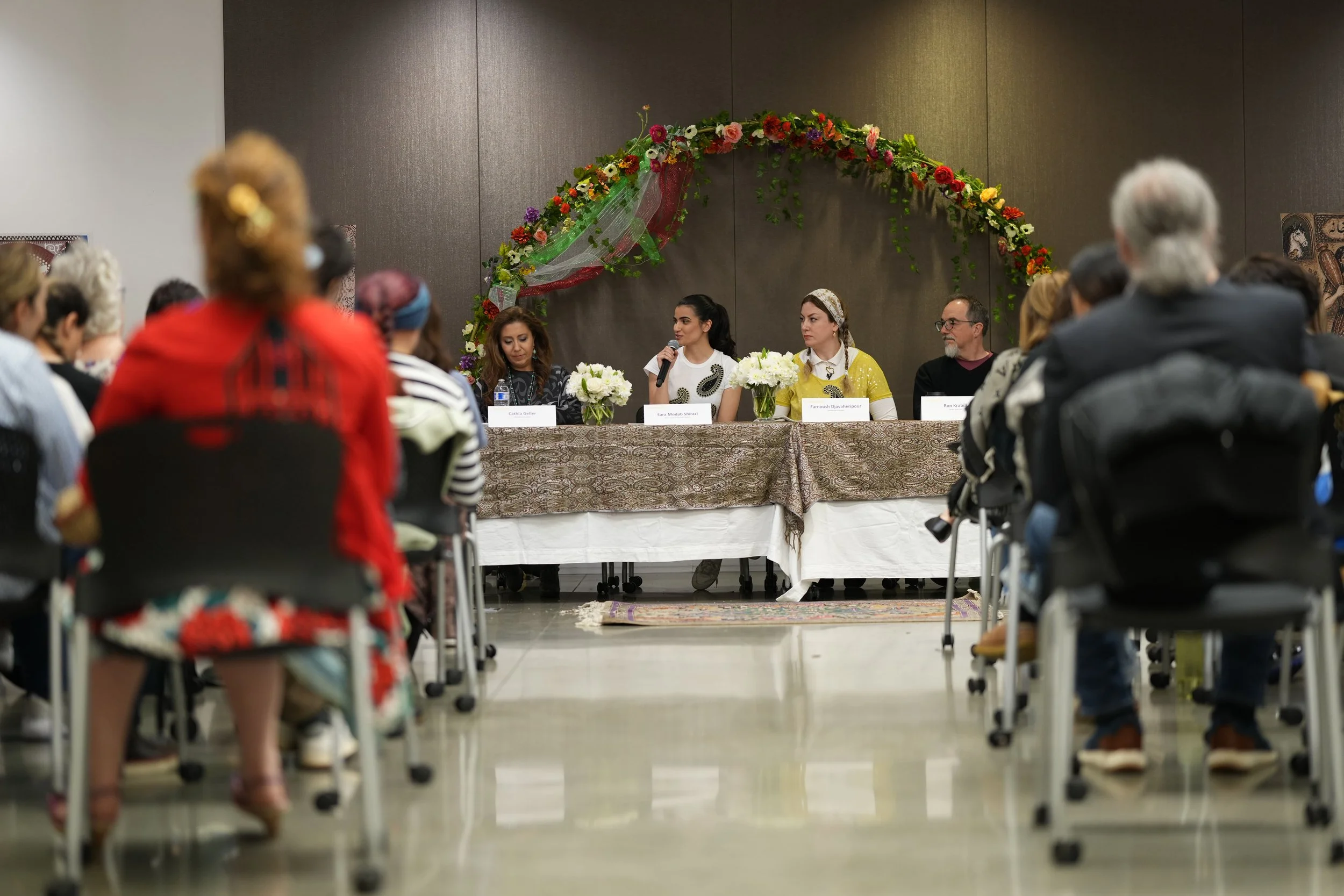
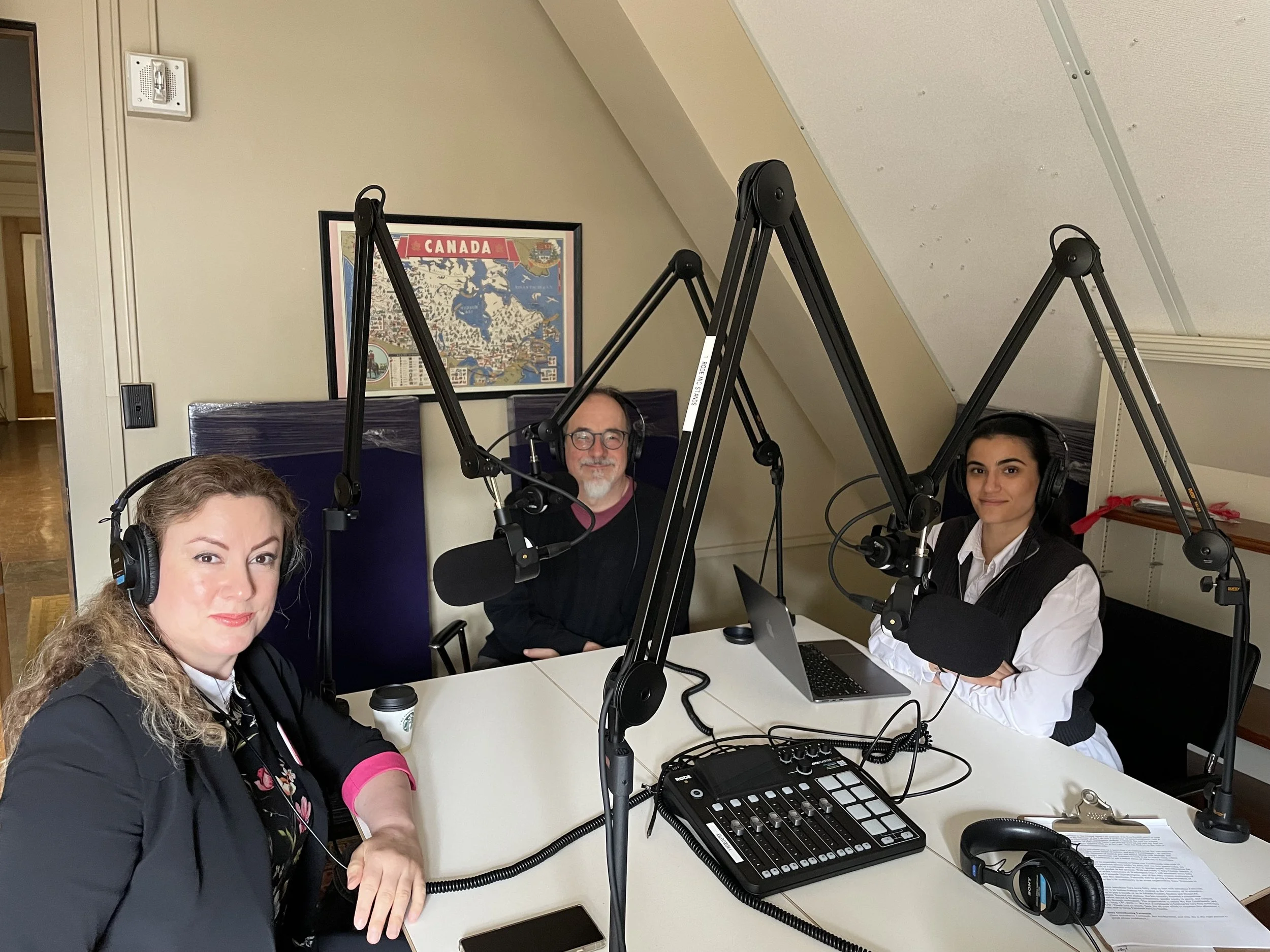
The event will begin with a panel discussion introducing the history and cultural significance of Zoorkhaneh, along with its physical, mental, and philosophical dimensions. The conversation will also address gender equity in sports, particularly considering that women in Iran are still prohibited from practicing Zoorkhaneh publicly. Contributions from partners, such as the UW Gender Equity Commission and the Iranian American nonprofit SISCA will enrich the discussion.


11:20-11:30 AM
Demonstration

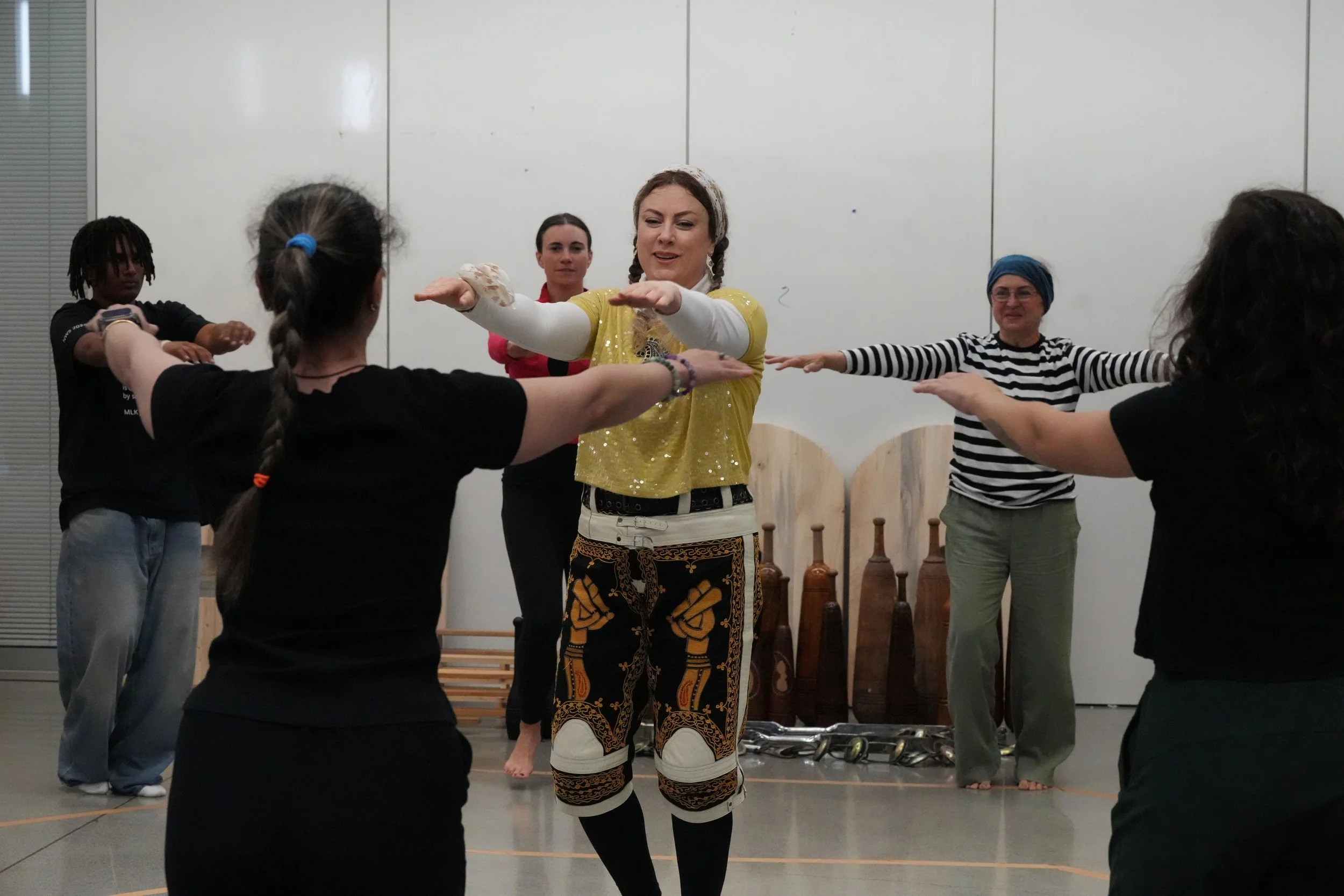
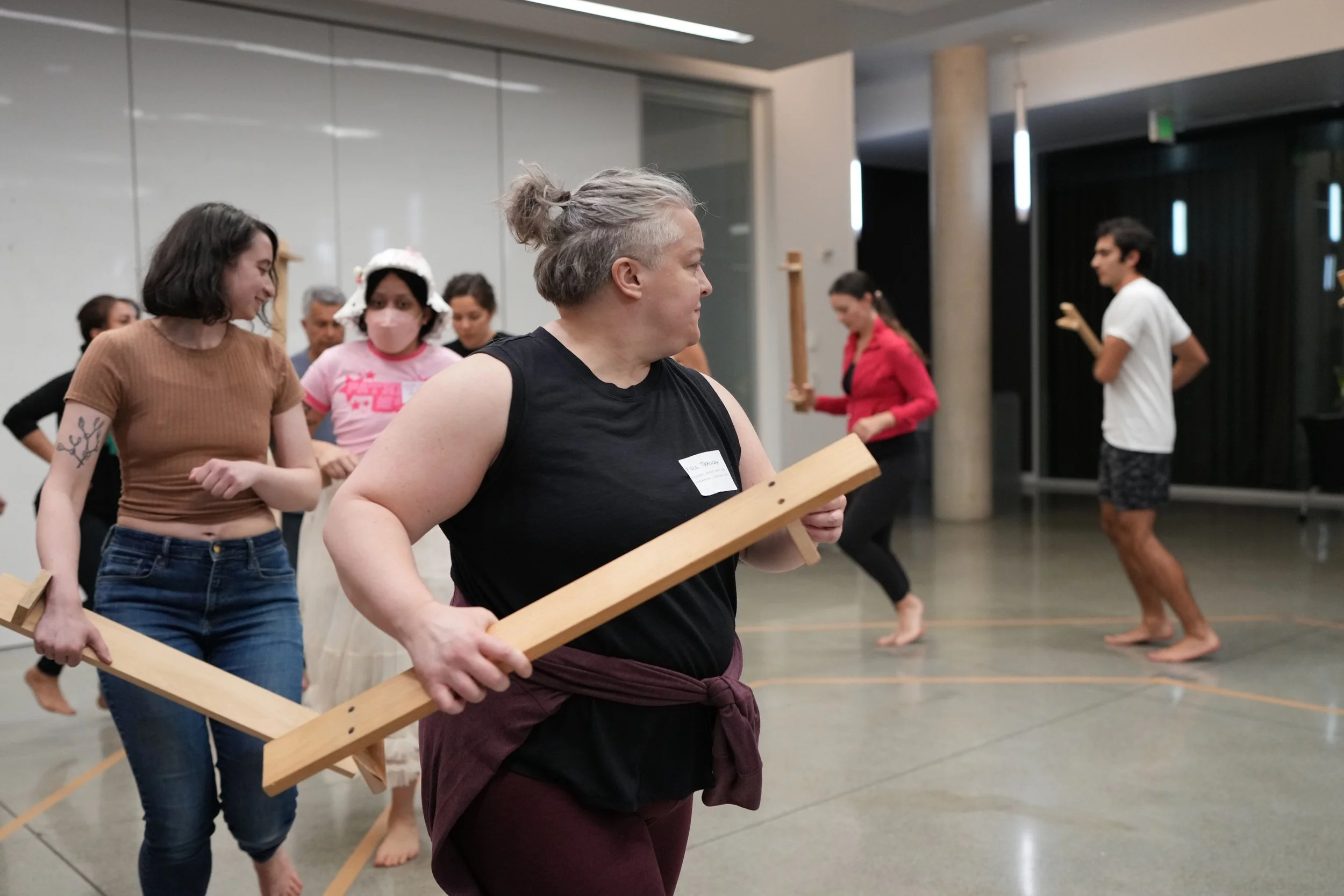
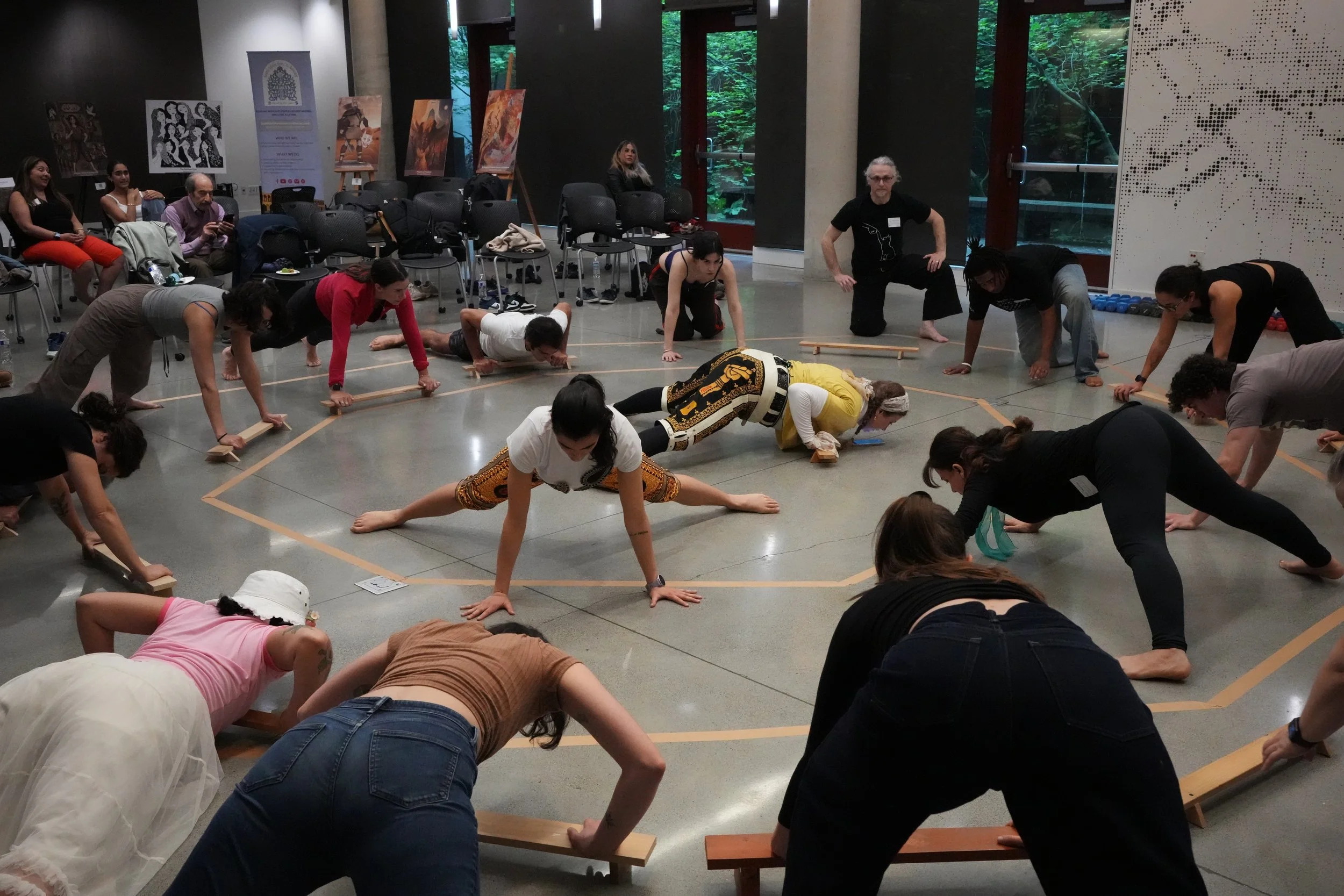
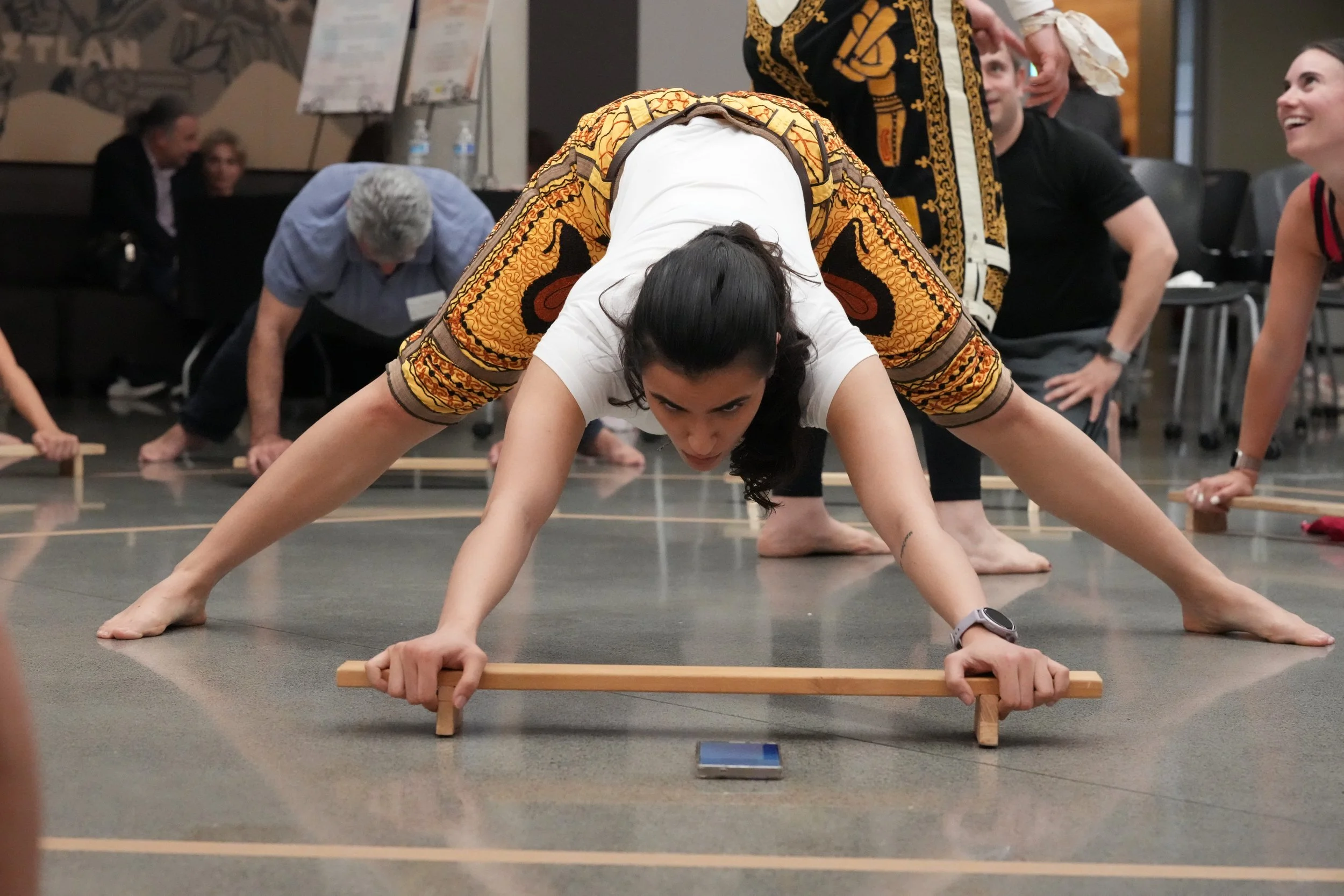
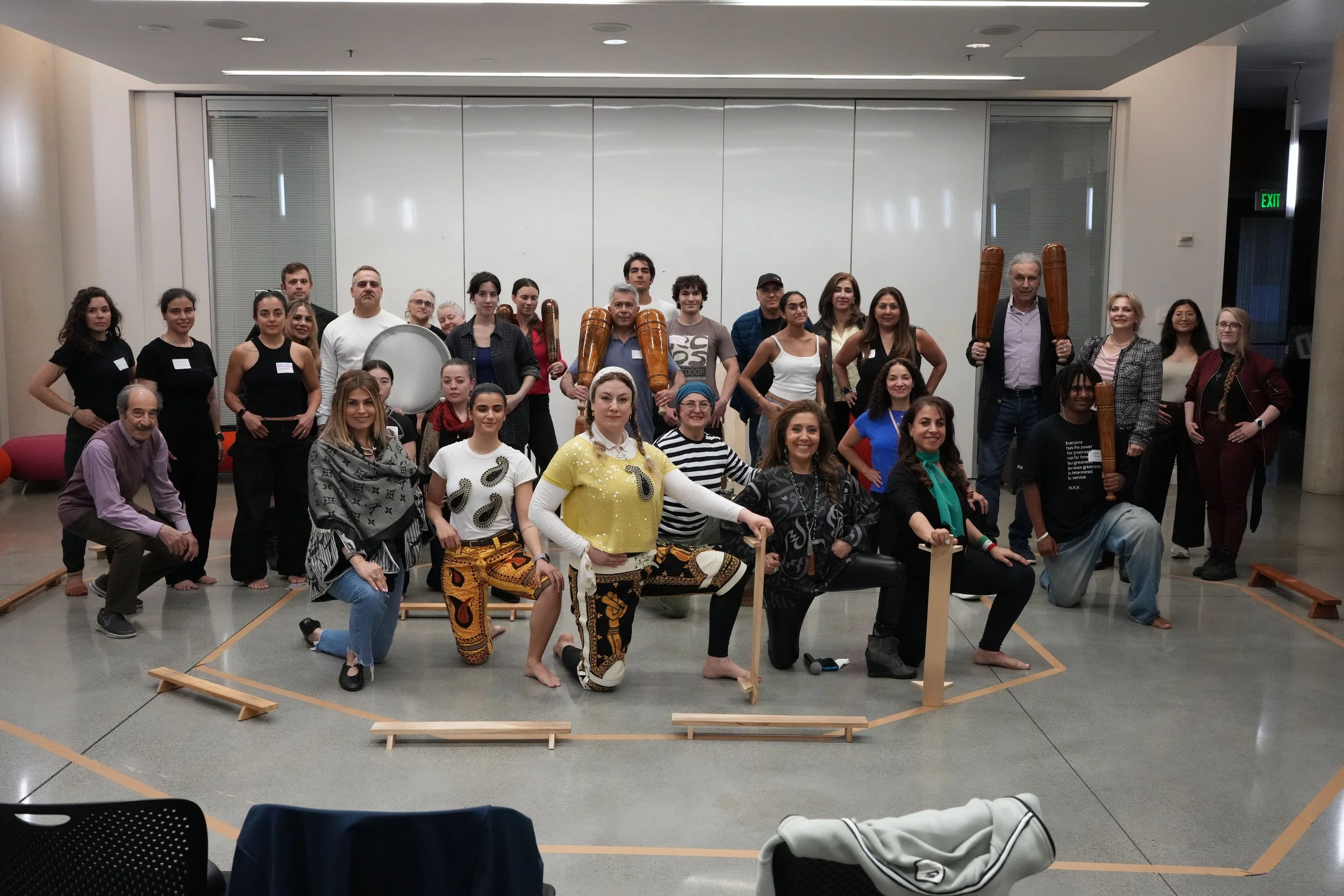
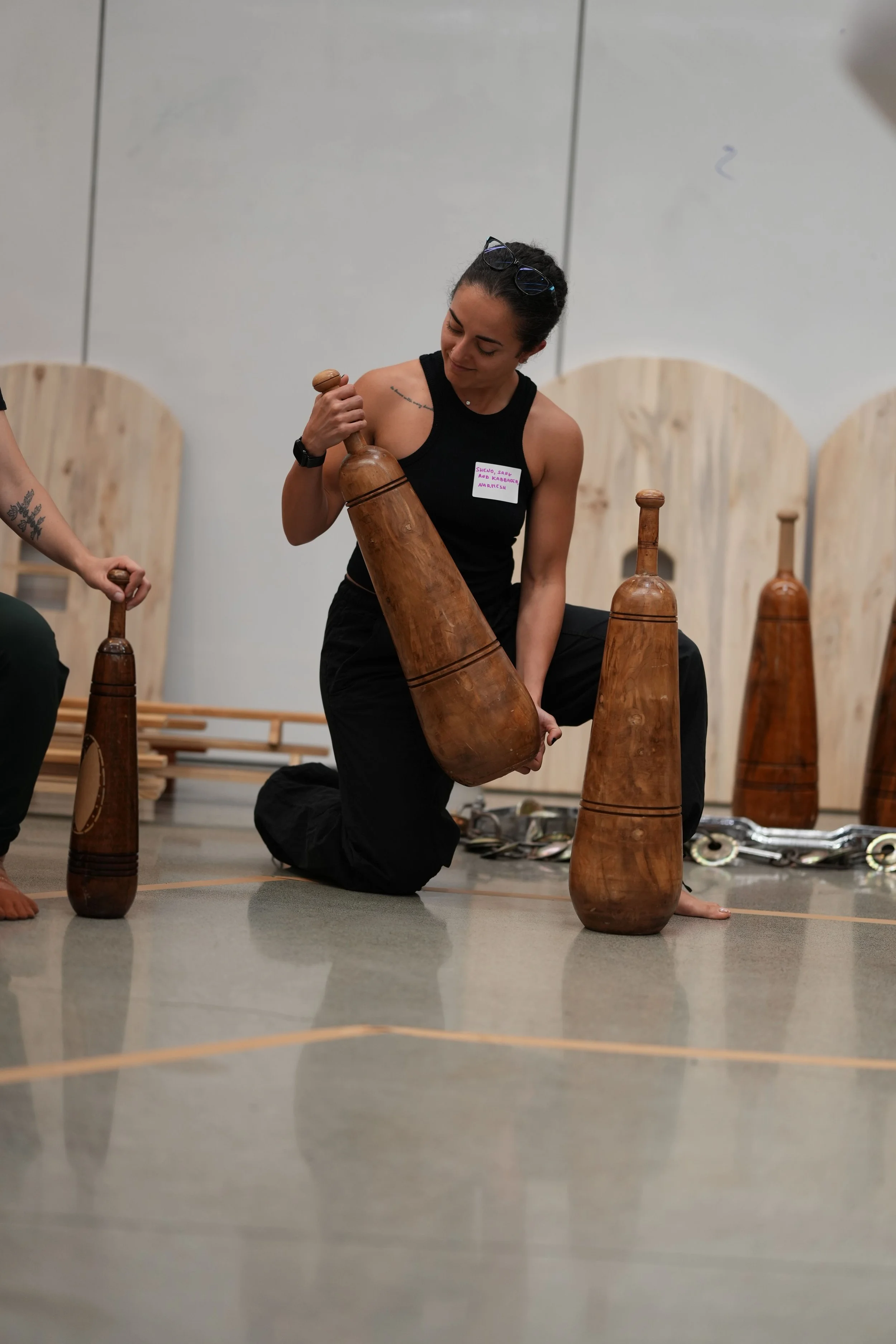
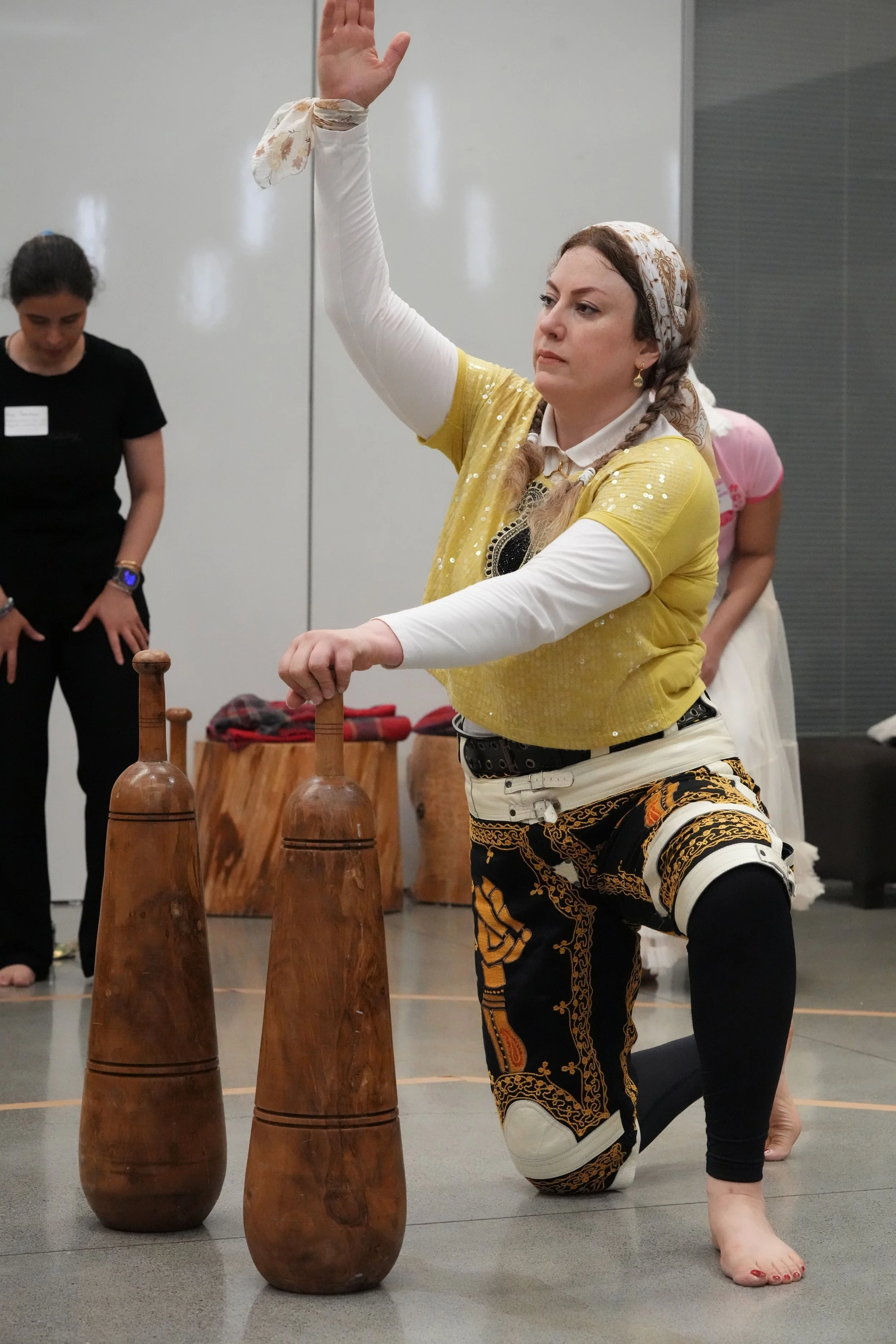
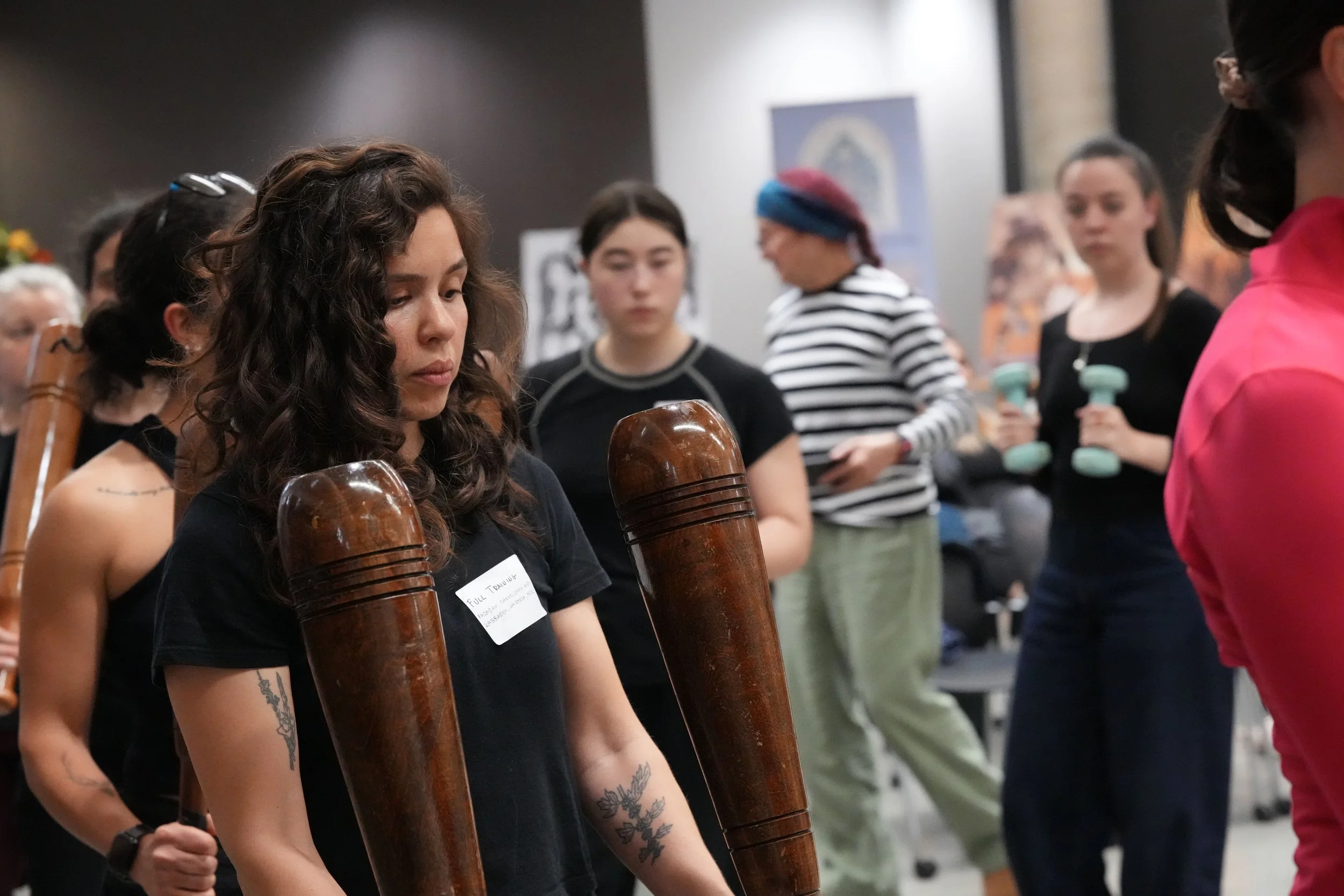
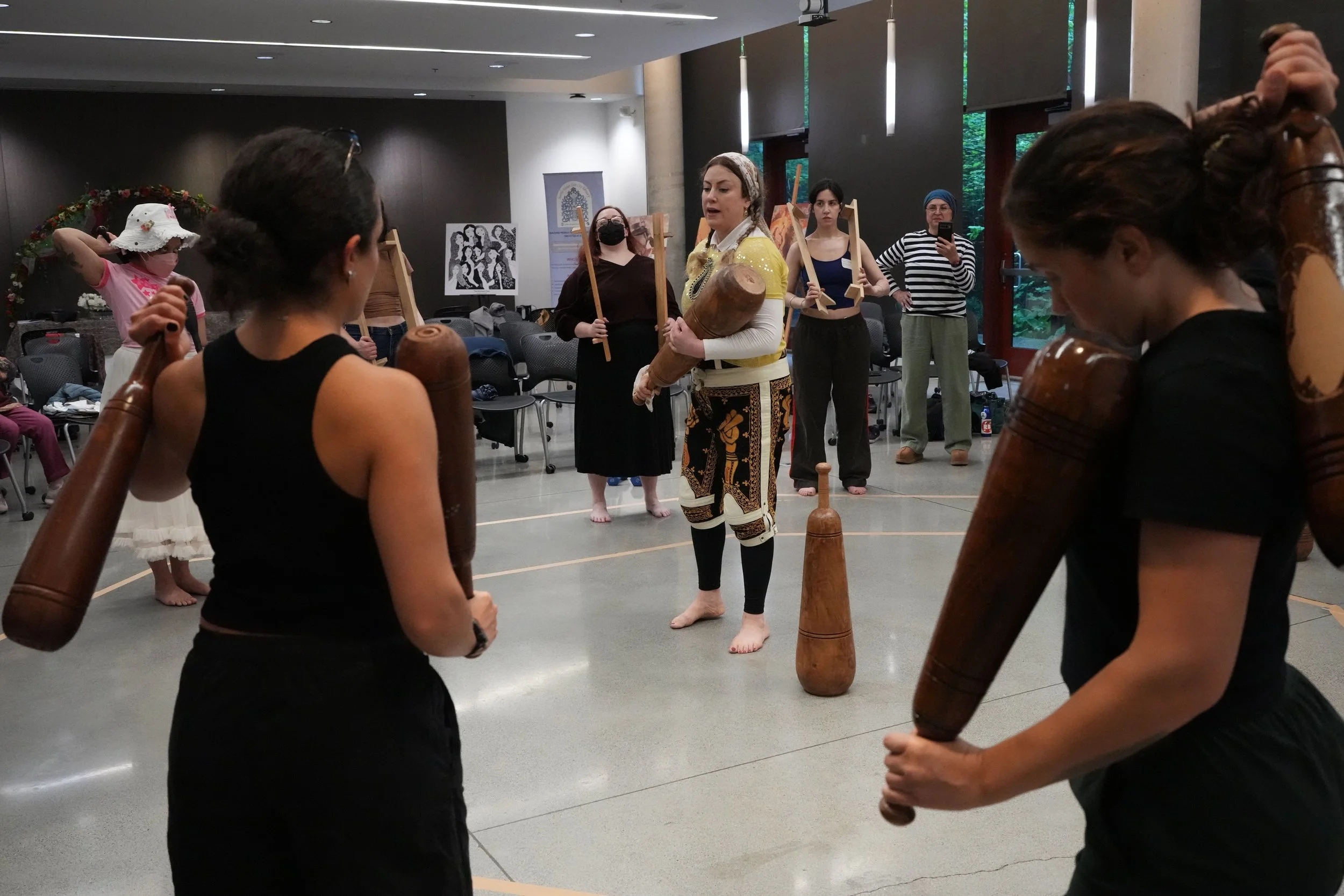
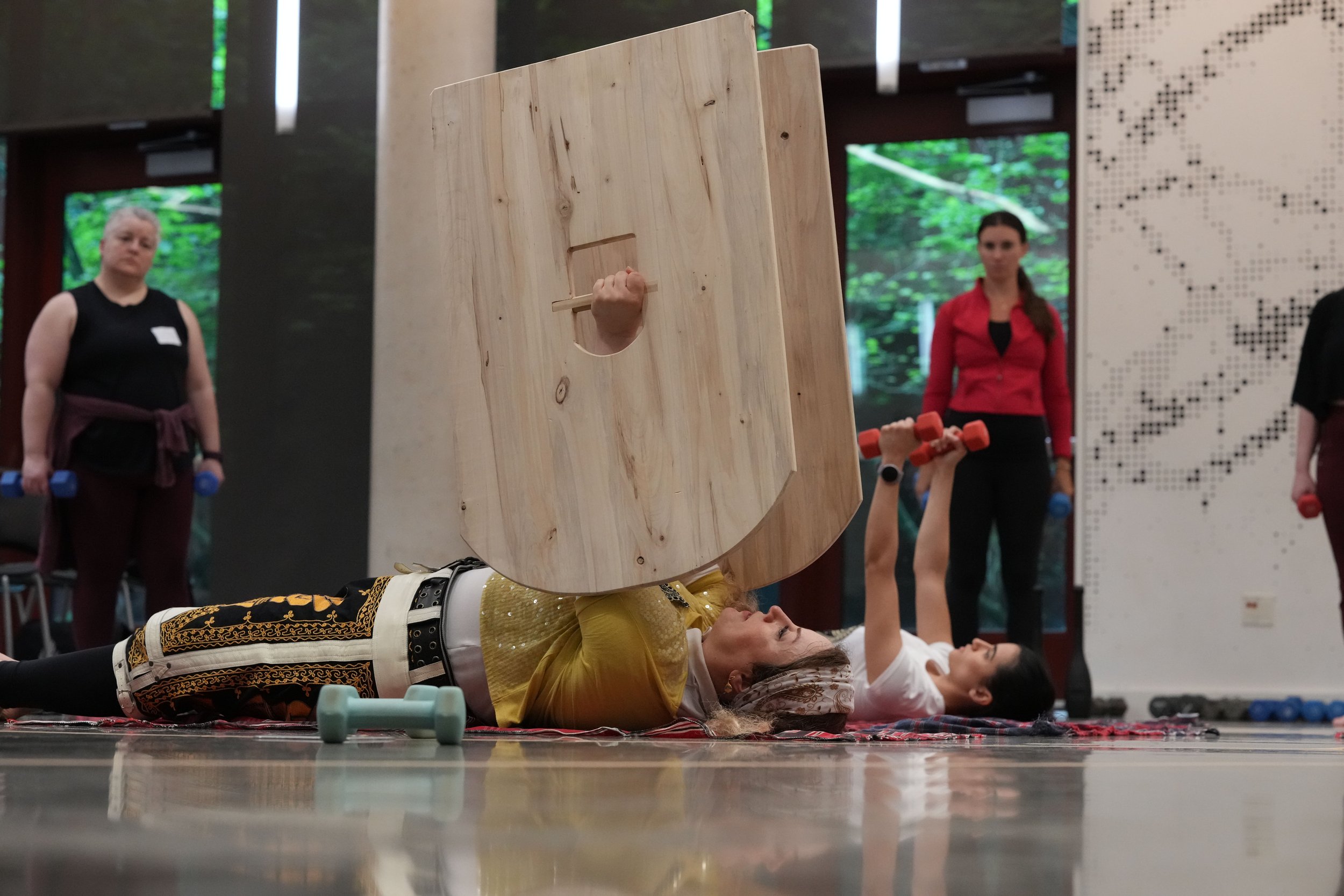
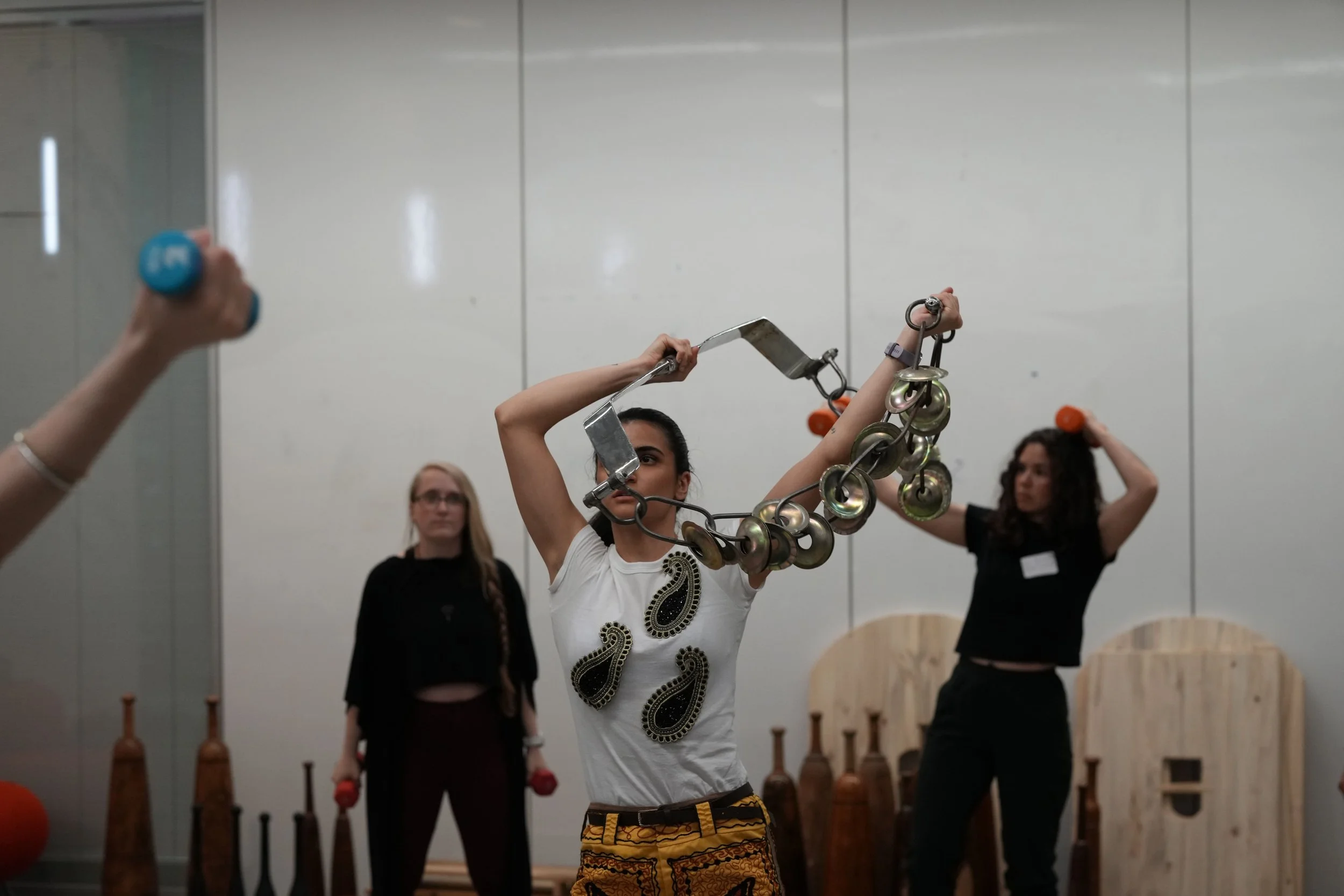
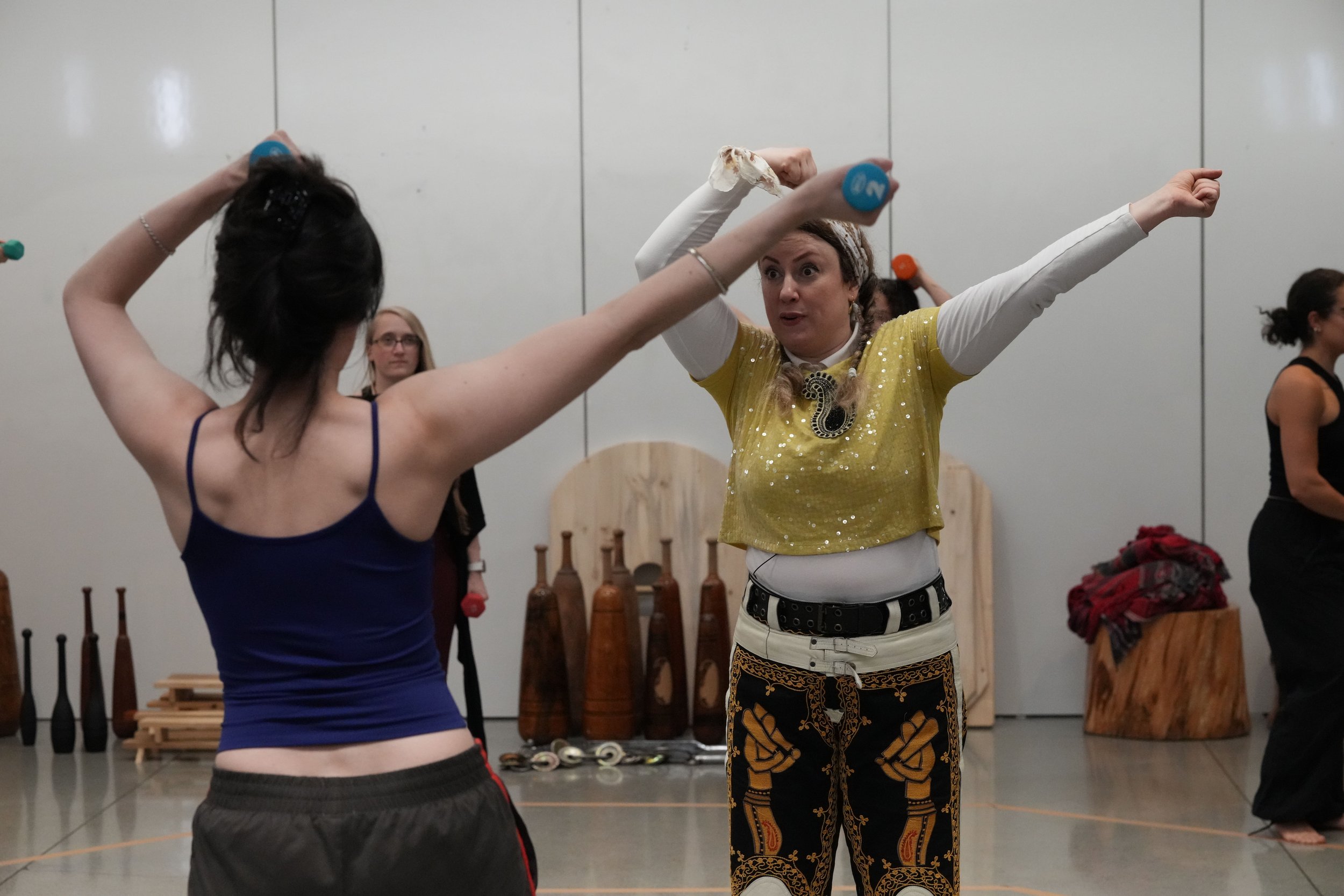
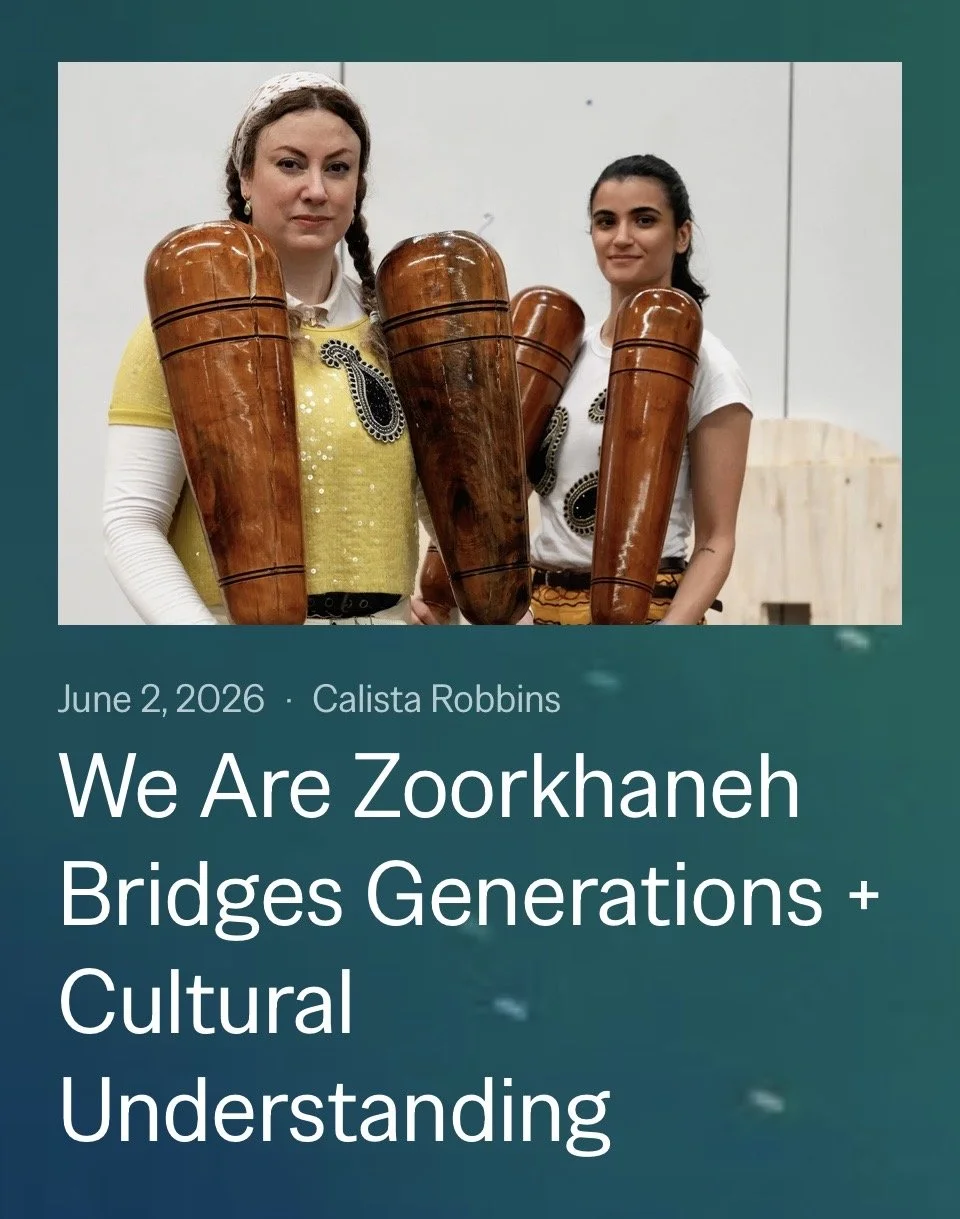
Farnoush Djavapour, the Zoorkhaneh instructor leading the workshop, will offer a brief demonstration of how to use Zoorkhaneh equipment: the mil (میل, Indian clubs), the kabadeh (کباده, iron bow), the sang (سنگ, wooden shields), and the takht-e shena (تخته شنا, push-up board).


11:30 AM–2:00 PM
Guided Practice

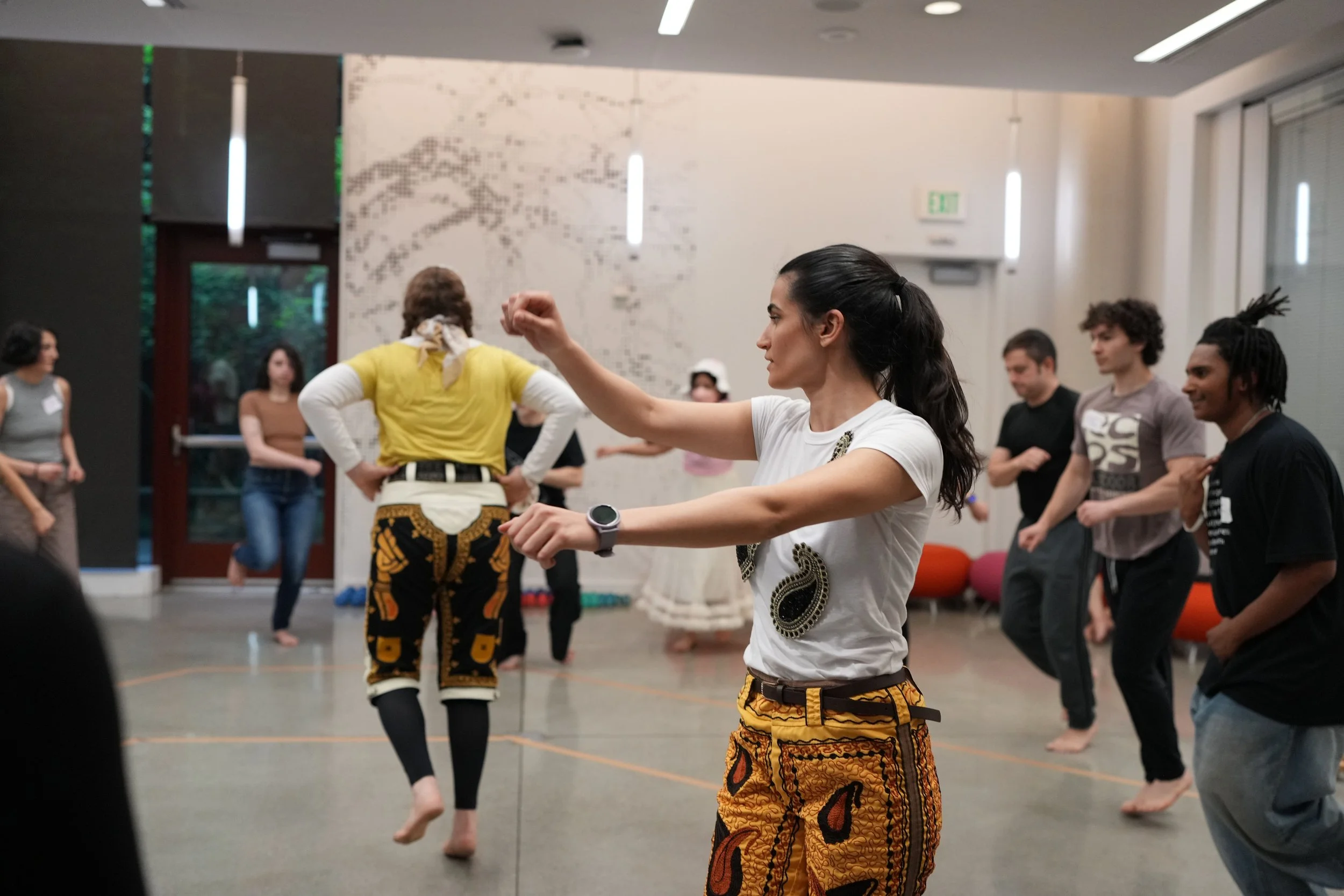
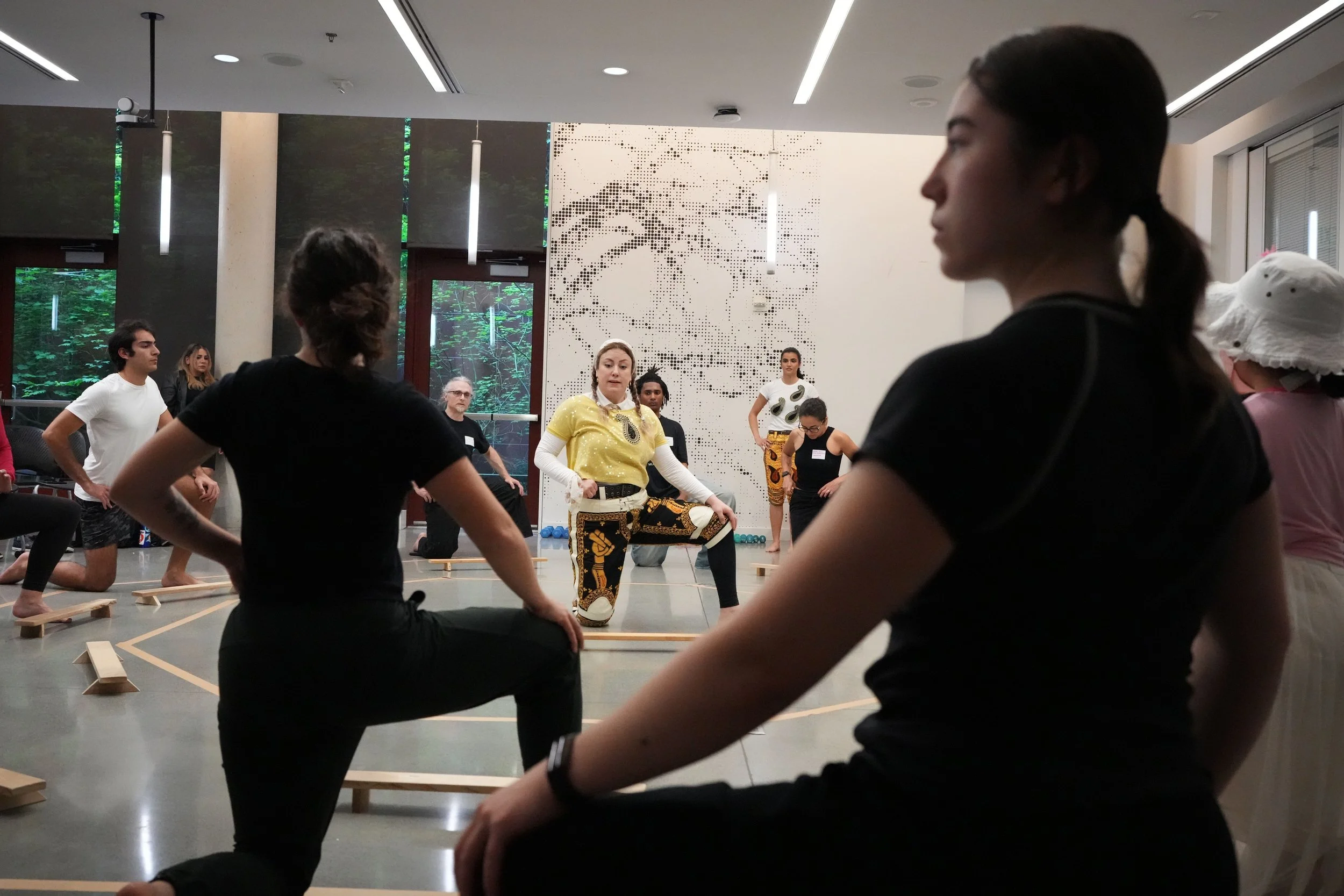
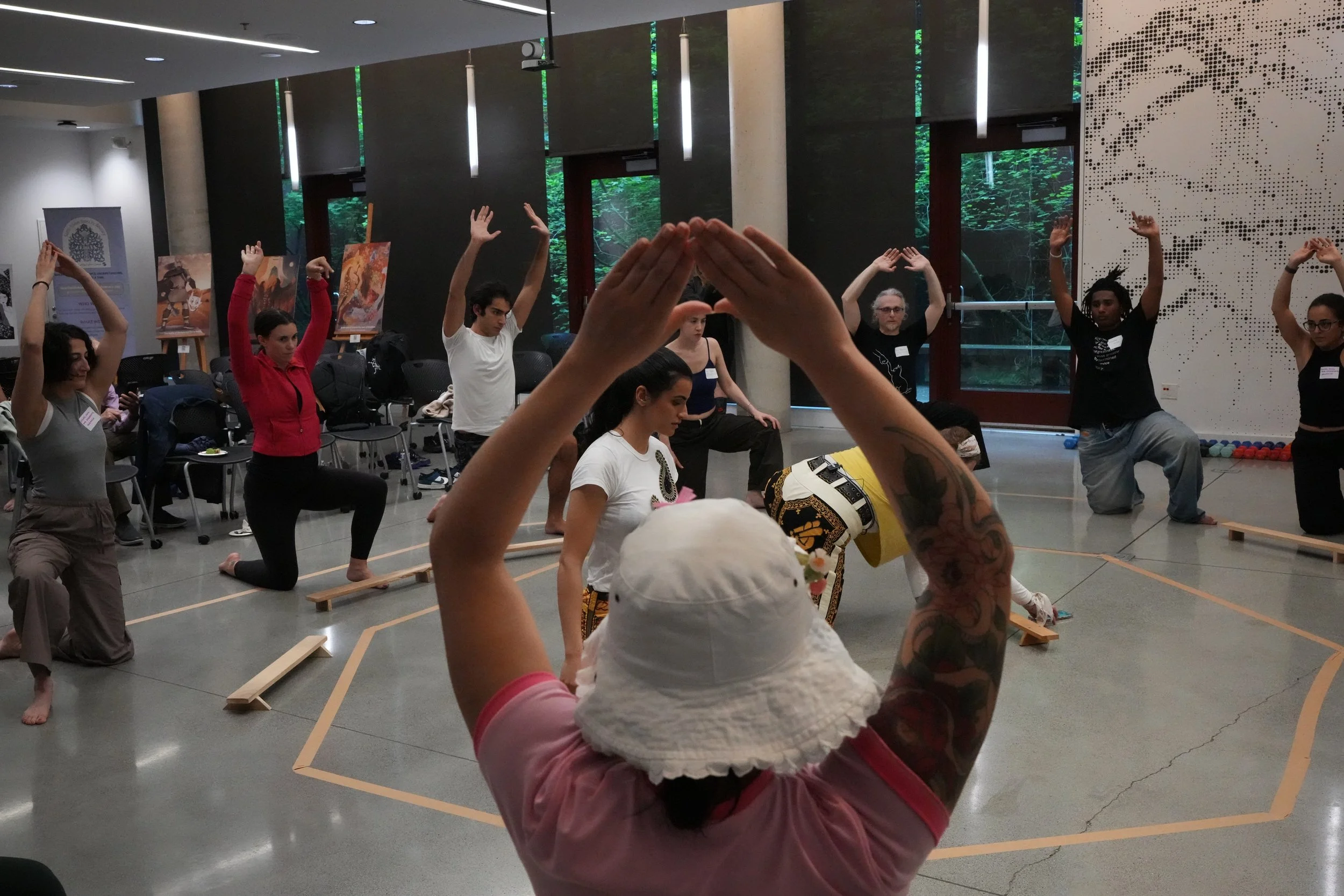
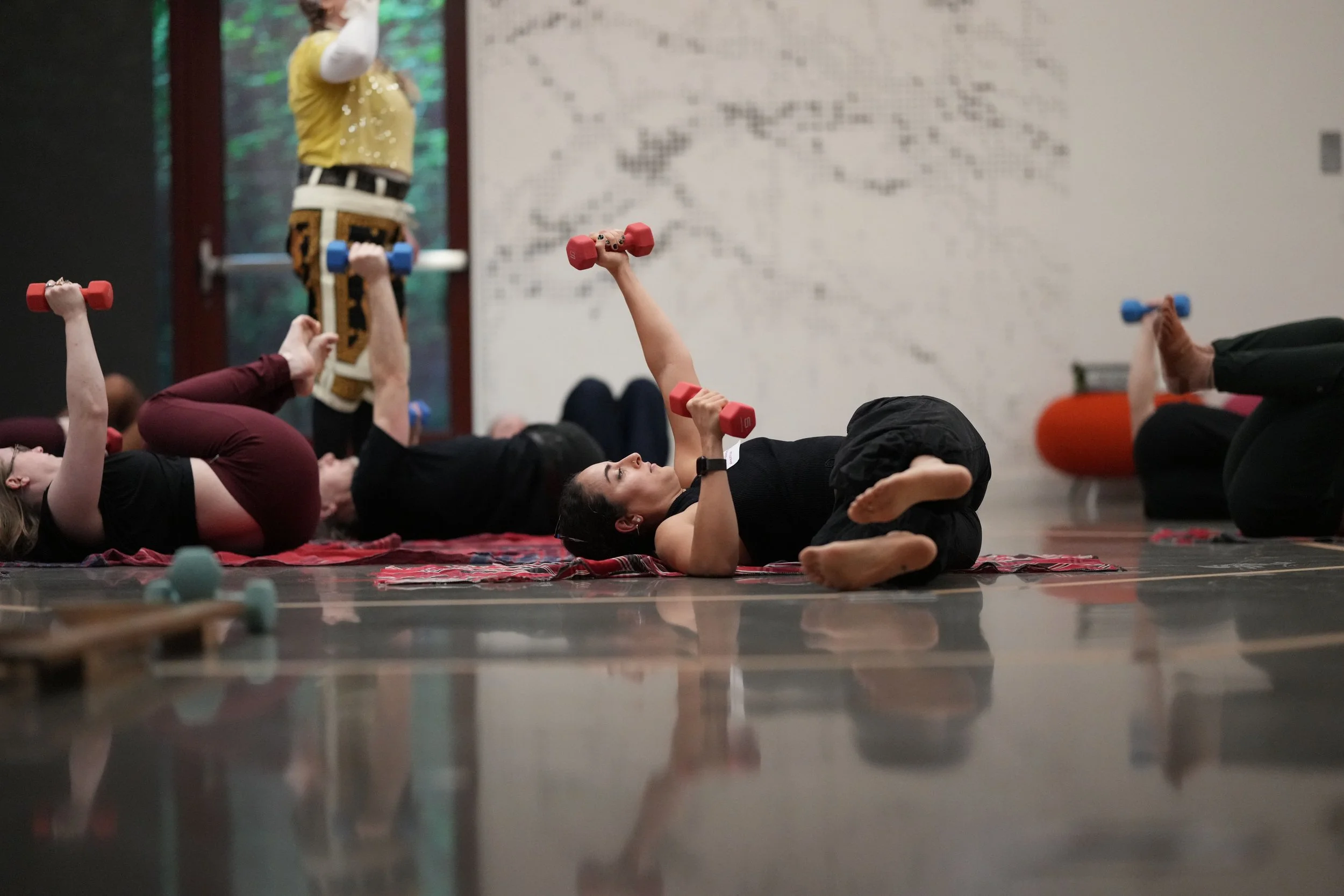
Following the panel, participants will engage directly in a guided Zoorkhaneh session, learning foundational movements and exploring the use of traditional training tools.


Zoorkhaneh Art gallery

Step into a living tradition where strength meets poetry, and every movement tells a story.

We invite artists to engage with Zoorkhaneh—an ancient Iranian practice rooted in courage, humility, and community—reimagined today as a platform for dialogue, inclusion, and cultural transformation.

This is an opportunity to interpret, question, and celebrate a powerful heritage through your own artistic voice. Join us in shaping a dynamic and meaningful cultural exchange.

Submit your work and become part of this evolving conversation.

🗓 Deadline: April 30, 2026

📍 Location: University of Washington

🤝 In collaboration with:

Seattle Isfahan Sister City Advocacy, Amnesty International UW, and SmArt Ventures

📩 For inquiries:

Seattleisfahan.org@gmail.com

Subject: Zoorkhaneh Call for Art

Scan the QR code to apply.

Performers

  • Born in Tehran, Iran, I am a rhythmic and synchronized group fitness instructor for 13 years in Canada. Since childhood during the journeys through various paths in the field of art, poetry, music, and Persian mysticism, beside sport and movement while studying management as well, I have always found all these concepts in my roots. In search of a way to combine all these elements together and in one place inevitably, I became acquainted with the ancient national sport of Zurkhaneh about 6 years ago while abroad. And I learned it spontaneously, as a one man army, and outside the confines of the gym (pit of Zurkhaneh), and of course along this path, I benefited from the guidance and assistance of great Iranian athletes and mentors remotely from a long distance. As a coach of Zurkhaneh, I am working on expanding this field by making worldwide online groups, teaching online and making contents in social media, teaching a group in person and building my team and performing in live cultural events in Canada. As patriotic Iranians, it is our duty to preserve, recover, and elevate this oldest cultural heritage as the world's first scientific bodybuilding sport, which for years has been accompanied by deviance, deviation, and gender discrimination due to ignorance resulting from the underdeveloped culture of some or wrong policies.


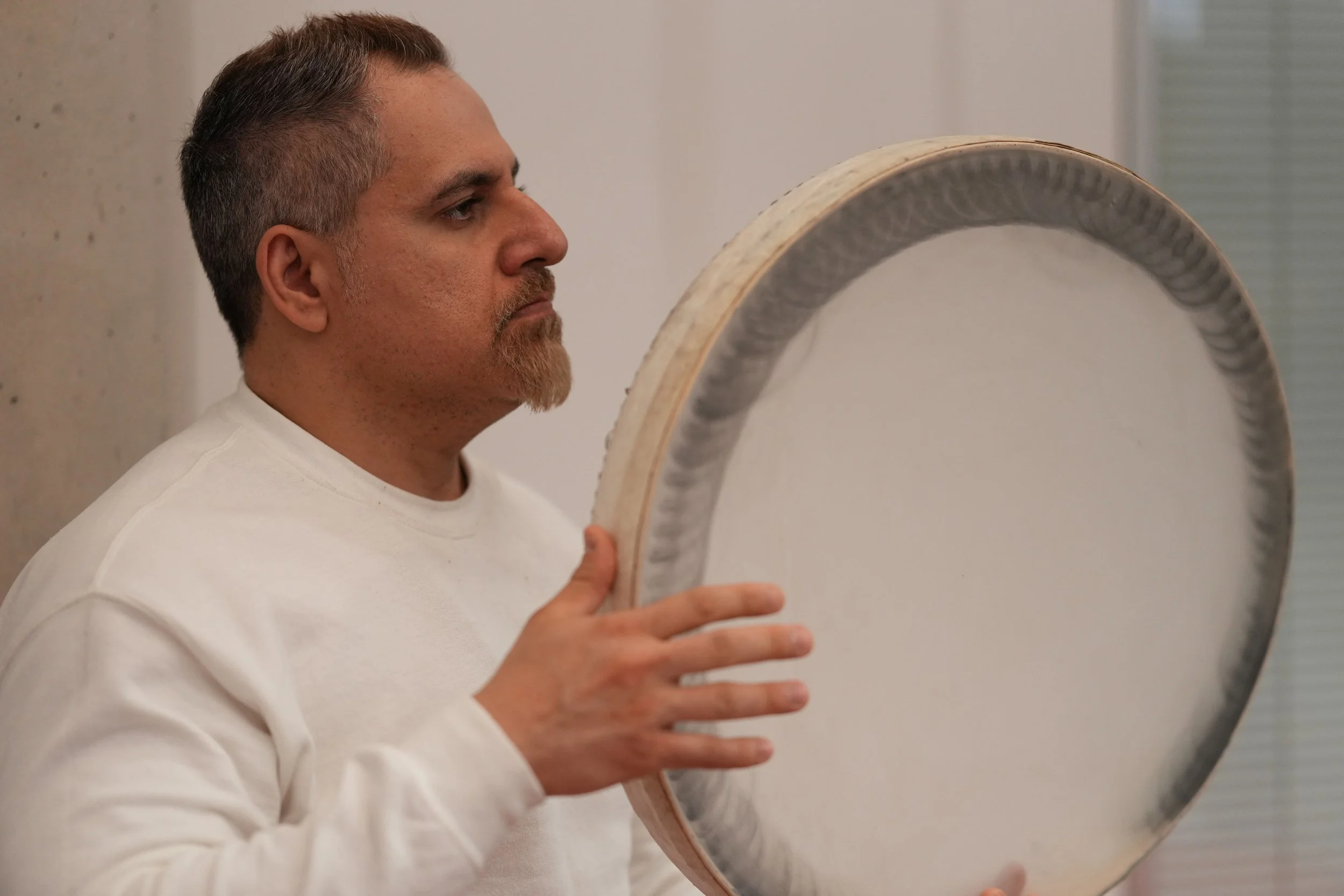
  • I was born in Ahvaz, Iran, and I have been playing the Daf for about eighteen years. For me, the Daf has always been a means of expressing an inner surge , a kind of hidden energy and feeling that finds its voice through rhythm.

    The sources of inspiration in my Daf playing can be summarized in three main areas: First, the maqam-based music of Kurdistan, where deep and repetitive rhythmic structures create a sense of focus, immersion, and collective experience. For me, these maqams are not only musical patterns, but also an emotional and cultural language rooted in everyday life and ritual traditions. Second, “khanqahi” (خانقاهی, Sufi lodge ) and Sufi music, a space in which rhythm acts as a bridge between movement, remembrance (ذکر , “dhikr”, remembrance of Allah), and inner experience. In this tradition, the Daf goes beyond being an instrument and becomes a means of connecting the body and meaning, serving a path of contemplation and spiritual practice. Third, Zurkhaneh music, a tradition that, for me, represents ancient Persian culture and the concept of javanmardi, chivalry and spiritual strength. Here, music is deeply intertwined with movement and physical practice, forming a unique combination of rhythm, body, and ethics. In my view, this connection between music, ritual movement, and human values is something rarely found in other forms of sport.

    For me, Zurkhaneh music is a kind of convergence between Daf rhythm, ritual movement, and collective energy, a space in which music and the body are inseparable, creating a unified experience. For this reason, I became deeply interested in reinterpreting and performing the old Zurkhaneh maqams and traditional rhythmic patterns that have been preserved in this practice on the Daf. Through my exploration, I realized that many Daf rhythms share deep similarities with Zurkhaneh rhythms, revealing an old and meaningful connection between these two traditions within Iranian culture. This insight encouraged me to reinterpret these rhythms more fully on the Daf. I found that the Daf has a strong capacity to express these patterns, and this led me to pursue this work as a new and creative approach in my practice.

Speakers

  • Sara Modjib Shirazi is the Founder and Director of We Are Zoorkhaneh, a nonprofit bringing the traditional Iranian practice of Zoorkhaneh to the United States and Europe. An Italian-Iranian MA student at the University of Washington studying Middle Eastern Studies and Nonprofit Management, Sara’s life has been shaped by sport, from mountain biking to swimming, helping her cultivate endurance, balance, and resilience.

    In 2015, a visit to a Zoorkhaneh gym in Tehran revealed a stark truth: this centuries-old practice is largely inaccessible to women. The experience stayed with her, a reminder that while sports is a universal language of wellbeing, leadership, and self-trust, inequality still persists.

    After moving to the U.S., Sara recognized an urgent need for intercultural dialogue and stronger ties between the Iranian community and the wider public. Inspired by the movements in Zoorkhaneh and its philosophy of “Javānmardi” , which emphasizes humility and empathy, she founded We Are Zoorkhaneh, using Zoorkhaneh as a bridge to foster social cohesion, diversity, and gender equity across cultures with the ultimate aim of fostering community engagement, cultivating future leaders, and building more sustainable societies in the U.S. and Europe.

  • The Seattle-Isfahan Sister City Advocacy (SISCA) is proud to partner with We Are Zoorkhaneh and to help bring this ancient Iranian sport tradition to Seattle. This workshop aligns with the SISCA mission of empowering connections between the people of Seattle and the people of Iran by uplifting the traditions, artistry, and humanity of Persian-heritage peoples and cultures.

    SISCA had planned to offer a zoorkhaneh workshop as part of our 6th annual Nowruz (Persian New Year) celebration. However, we canceled our 2026 Norwuz event and instead hosted a vigil and art exhibition in Seattle City Hall on March 1 in memory of the tens of thousands of peaceful demonstrators massacred in early January 2026.

    Ms. Cathia Geller, SISCA Board President, will represent SISCA in the panel discussion. Geller is a real-estate broker with Keller Williams Realty Bellevue. She has 20+ years of experience in large non-profit event planning, fundraising, and team-building (e.g., 911Day Foundation 2024 launch in Seattle, UW NELC, IACA for Festal, FareStart, Issaquah Schools Foundation and SISCA). As an Iranian American, she is excited to highlight this ancient sport and its culture of chivalry, kindness and care for nature. The fact that the genesis of this workshop has come from an Iranian-Italian woman and its key guest of honor is also a Persian woman, is another point of pride for Geller.

  • The University of Washington chapter of Amnesty International (AIUW) is founded on a passion for multidisciplinary human rights advocacy, community-building, and grassroots change. Our chapter is focused on rooting ourselves deeply in the fabric of Seattle, and to become a comprehensive educational resource to students and beyond. A physical connecting point to Amnesty International’s broader initiatives, the chapter aligns with larger sectors of the organization to take collective action on campaign items. This can involve legislative pressures, lobbying, mutual aid, and shining a light on domestic and global abuses. While we believe equality and liberty is a right that requires consistent maintenance and advocacy, we also believe that this advocacy is joyful, intercultural, and alive. “We are Zoorkhaneh” embodies this belief, sharing our sentiment that human rights are universal, and awareness can spring from shared experiences. Aligning our vision with this nonprofit grants us the opportunity to bring helping hands to a project that amplifies the voices of Iran during a crucial moment in history. Global unrest and the resilient heartbeat of Iranians are turning many eyes of the world to Iran for the first time. By opening a space for dialogue that centers cohesion, gender equity, and the lived experiences of Iran’s people, we have the chance to deepen the narrative through the lens of Iran’s history and culture. Sports has historically been a powerful and universal conduit for this dialogue, and Zoorkhaneh provides a rare chance to experience a cherished piece of centuries-old heritage. On behalf of Amnesty UW, we are honored to take part in bringing We are Zoorkhaneh to the University of Washington.

Sponsors

SmArt Ventures

Screenshot 2026-04-06 at 11.08.27.png

Before you join

Zoorkhaneh is more than a kind of sport; it is also a cultural and ethical tradition. We strongly encourage all participants to attend the panel discussion before joining the physical practice, so they can better understand the values and meaning behind what they will experience.

Important Information:

Wear comfortable clothes and come ready to move.
Food and beverages will not be provided.
Participants must be 18+.
Registration is required.

Free T-shirts will be available for participants.